In the fast-paced world of crypto, getting your token listed on an exchange can make or break your project. For many Web3 startups, a listing on a Centralized Exchange (CEX) brings massive visibility and liquidity. However, CEX listing requirements are stringent, overlooking them often leads to rejected applications or costly last-minute fixes. Even listing on a Decentralized Exchange (DEX), while permissionless, still demands solid technical preparation to instill confidence in investors.
This blog post provides an essential technical checklist to complete before any exchange listing. By covering these bases, you’ll maximize your project’s chances of passing exchange reviews quickly and impressing your community from day one.
Why a Technical Checklist Matters
A rigorous technical checklist is not just a formality, it’s your insurance against unexpected roadblocks during the listing process. Exchanges (especially CEXs) conduct detailed due diligence on each token. Any oversight in security, compliance, or integration can trigger lengthy back-and-forth with exchange reviewers or even outright rejection. On the flip side, a startup that proactively meets all technical requirements demonstrates professionalism and reliability, increasing its credibility.
In the decentralized arena, a DEX listing might not require approval, but technical preparedness still counts. A poorly written smart contract or missing liquidity can erode investor trust and hamper trading activity. By following a comprehensive checklist, you ensure all technical aspects of your token – from code quality to infrastructure are exchange-ready. This preparation will save you time, reduce last-minute scrambles, and speed up the path to a successful listing on your chosen CEX or DEX.

Essential Technical Checklist Before Exchange Listing
Before you submit a token listing application to any CEX, or before you launch a token on a DEX, make sure you’ve ticked off the following critical technical items:
- Audit Readiness: Ensure your smart contract has undergone a comprehensive security audit by a reputable third-party firm. Audit readiness means not only having an audit report in hand but also resolving all critical and high-severity issues identified. Exchanges will almost always demand an audit report as part of their CEX listing requirements, as it proves your token’s code is secure and free of major vulnerabilities. Being audit-ready instills confidence – both the exchange and your investors know that your contract won’t be an easy target for hackers. If you haven’t already, engage experienced auditors (for example, CertiK, Quantstamp, or similar) and prepare to provide the finalized audit certificate or report during the listing process.
- Smart Contract Checks: Beyond the audit, perform a thorough internal review of your smart contract to verify your token’s code meets exchange standards. This includes confirming the token adheres to the standard interface (ERC-20, BEP-20, etc.), has correct decimal precision, and implements expected functions (like transfer, approve) without deviations. Check for any special mechanics in your contract – fees on transfers, blacklisting functions, mint/burn abilities – and document them clearly. Some exchanges might reject tokens with certain risky features (for instance, unlimited minting or the ability for owners to arbitrarily pause transfers) unless those are well-justified and secure. Make sure your contract’s source code is verified on a public block explorer (e.g. Etherscan or BSCScan), so the exchange’s tech team can easily review it. In short, double-check every aspect of your smart contract logic and tokenomics implementation to ensure there are no surprises. If your token has vesting schedules or lock-up periods coded in, verify they function correctly and align with your published tokenomics.
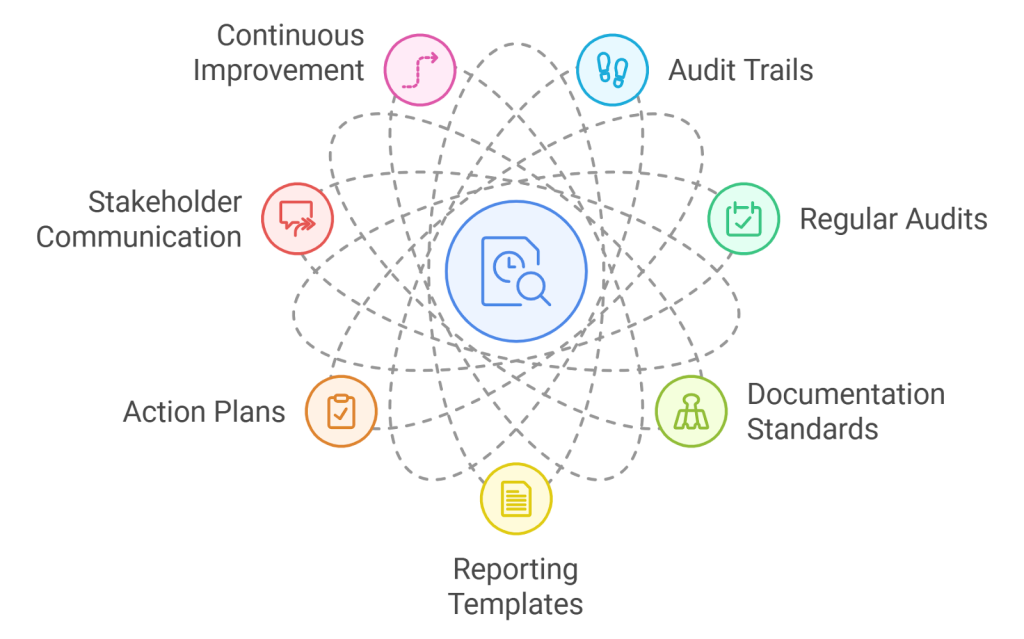
Ultimate Guide to Smart Contract Auditing: Secure Your Blockchain Future (Source: Rapid Innovation)
- Liquidity Setup: Plan and set up liquidity in advance of your listing. For a DEX listing, this means creating a liquidity pool (e.g. on Uniswap, PancakeSwap or the relevant DEX) and seeding it with sufficient token and counterpart funds (like ETH, BNB, USDT) to facilitate trading. A common mistake is underestimating the amount of liquidity required – too little and your token’s price could be extremely volatile or traders may face high slippage. Ensure the liquidity pool is live at the time of listing and consider locking the liquidity provider tokens (LP tokens) in a smart contract or third-party service to boost investor confidence (so everyone knows you won’t pull the liquidity). For a CEX listing, liquidity setup often involves arranging market making. Exchanges expect projects to contribute to a healthy order book. This might mean allocating a portion of tokens and capital to a market maker or liquidity provider who will maintain buy/sell orders within a tight spread. Before listing day, coordinate with a professional market maker if possible, or be prepared to manage liquidity internally to prevent empty order books. A well-planned liquidity setup ensures your token is tradable and stable from the moment it lists.
- Compliance Documents: Compliance documents are critical when dealing with centralized exchanges. Well before you apply for listing, compile all the necessary legal and compliance paperwork. By preparing a complete compliance document package upfront, you make the exchange’s due diligence job easier. This package typically includes:
- KYC/AML information: Proof of identity and backgrounds of the founding team and major stakeholders. CEXs need to know who is behind the project to comply with regulations.
- Legal Opinion Letter: A letter from a qualified legal firm stating your token is compliant with relevant laws (for example, clarifying that the token is a utility token, not an unregistered security). Many top exchanges won’t proceed without a legal opinion on record.
- Company Registration Documents: Evidence of your company’s legal incorporation and jurisdiction. This shows the project is a registered legal entity.
- Whitepaper & Tokenomics Documents: While more technical, these documents fall under compliance review too. Ensure your whitepaper, one-pager, and tokenomics summary are all up-to-date, accurate, and align with what your smart contract actually does. Any discrepancies between your documentation and the token code or business model will raise red flags.
- Audit Report: As noted, include the security audit certificate here as well.
For DEX listings, you won’t submit these to anyone, but it’s still wise to have your legal bases covered – regulators can scrutinize even DEX-launched tokens later. Plus, having these documents ready sets you up for future CEX listings or partnerships when needed.
- KYC/AML information: Proof of identity and backgrounds of the founding team and major stakeholders. CEXs need to know who is behind the project to comply with regulations.
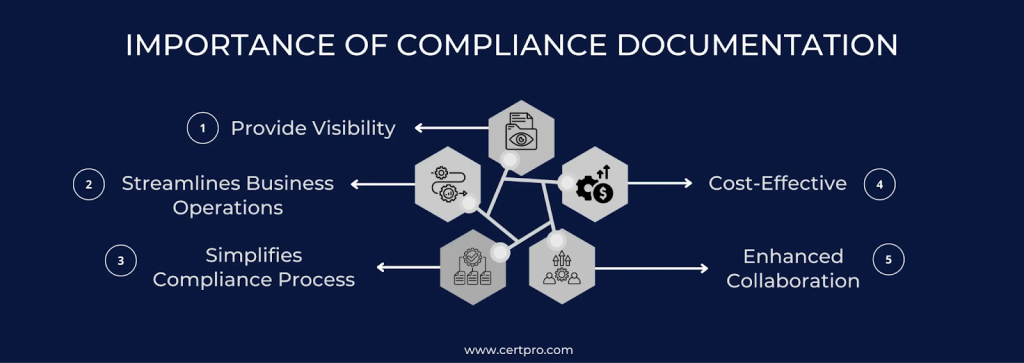
Compliance Documentation Guide (Source: CertPro)
- Backend Integration & Infrastructure: Ensure your project’s technical infrastructure is ready to interface with the exchange. CEXs will need to integrate your token into their platform, which requires node access and API endpoints. Well in advance, set up reliable blockchain nodes (or arrange dependable node provider services) for your token’s network so that exchange engineers can connect for reading blockchain data and broadcasting transactions. If your token runs on a common blockchain (like Ethereum or BNB Chain), the exchange might use their existing nodes, but you should still provide any API documentation or relevant technical details (for example, the RPC endpoint and chain ID for a lesser-known network). Be prepared to assist the exchange in testing wallet integration – often they will do test deposits and withdrawals of your token. Make sure there are no issues with how your token’s contract handles typical exchange operations (deposit addresses, high-frequency transfers, etc.). If your project has its own blockchain or a non-standard token, you might need to supply a software development kit (SDK) or libraries to the exchange for integration. Also, verify that a block explorer for your token or blockchain is publicly available so both the exchange and users can track transactions. In summary, solid backend integration prep means having stable infrastructure and being technically ready to support the exchange’s integration team so that listing and maintenance go off without a hitch.
Conclusion
Achieving a successful exchange listing is not just a marketing win – it’s a technical victory that comes from diligent preparation. By completing the above checklist, you address the core CEX listing requirements and set the stage for a smooth launch on any exchange, centralized or decentralized. Each checklist item – from passing a rigorous audit to ensuring liquidity and compliance – reduces the risk of setbacks. It proves to exchanges that your team is thorough and your project is worthy of their platform.
Remember, time is money in the crypto space. Every week of delay due to technical oversights can mean lost momentum and community trust. Don’t let a simple oversight hold back your token’s potential. With careful planning and the right expertise, you can expedite the listing process and start leveraging the benefits of a CEX or DEX listing sooner.
If you’re unsure about any part of this technical checklist or simply want to fast-track your exchange listing readiness, consider partnering with professionals. Twendee offers comprehensive IT services to guide blockchain startups through the entire listing preparation. From smart contract audits and infrastructure setup to tokenomics review and API integration, Twendee’s expert team has developed a standardized checklist to ensure you meet all technical requirements on the first try. Don’t leave your exchange listing to chance, reach out to us today and let us help you launch with confidence and speed.
Contact us: Twitter & LinkedIn Page
Read latest blog: How to Build a Compliant Stablecoin Payment System