
Many enterprises are writing AI policies faster than they are building AI evidence systems. They define responsible AI principles, approval rules, model governance processes, and internal usage guidelines. These documents matter, but they will not be enough when AI systems start supporting real decisions, triggering workflows, or acting through enterprise applications.
The harder question is no longer only: “Does the company have an AI policy?”
The harder question is: Can the company prove how an AI system actually behaved in production?
That is why AI compliance evidence is becoming a core requirement for enterprise AI. Compliance will depend on records that show which model was used, what data it accessed, what output it produced, who approved the next step, and what action was finally taken.
AI Policies Are No Longer Enough
Written policies describe what an organization intends to do. Operational evidence shows what actually happened.
A policy may say that AI should not access restricted customer data. But during an audit, the company may need to show which data sources the AI system accessed, which user or agent triggered the request, and whether the access matched internal permissions.
A policy may say that humans review sensitive AI recommendations. But the company may need to show who reviewed the recommendation, when the review happened, whether the output was changed, and which final action was approved.
This is where many AI governance programs become weak. They have documentation, but the documentation is disconnected from real system behavior.
The NIST AI Risk Management Framework is intended to help organizations incorporate trustworthiness considerations into the design, development, use, and evaluation of AI systems. NIST also notes that systematic documentation practices support transparency and accountability across AI risk management efforts.
That is the point enterprise leaders should focus on. AI compliance documentation should not live only in a folder. It needs to be connected to the systems, workflows, logs, approvals, and decisions that AI touches.
Compliance Evidence Needs to Show How AI Behaved
As AI moves into business workflows, compliance evidence needs to cover the full operating chain.
It should not only answer whether an AI system exists. It should answer what happened in a specific case.
A strong evidence record should show:
- Model version: which model or agent was used.
- Input: what prompt, request, file, form, or system event triggered the AI.
- Data access: which documents, databases, ERP records, CRM fields, or policies were retrieved.
- User identity: who initiated the request or which system triggered it.
- Permissions: whether the user, system, or agent had the right access.
- Output: what recommendation, classification, summary, or draft was generated.
- Human review: who approved, rejected, edited, or escalated the output.
- Action taken: what record was updated, message was sent, task was created, or workflow was triggered.
- Timestamp: when each step happened.
- Exception handling: whether the system detected missing data, conflicting information, or a policy exception.
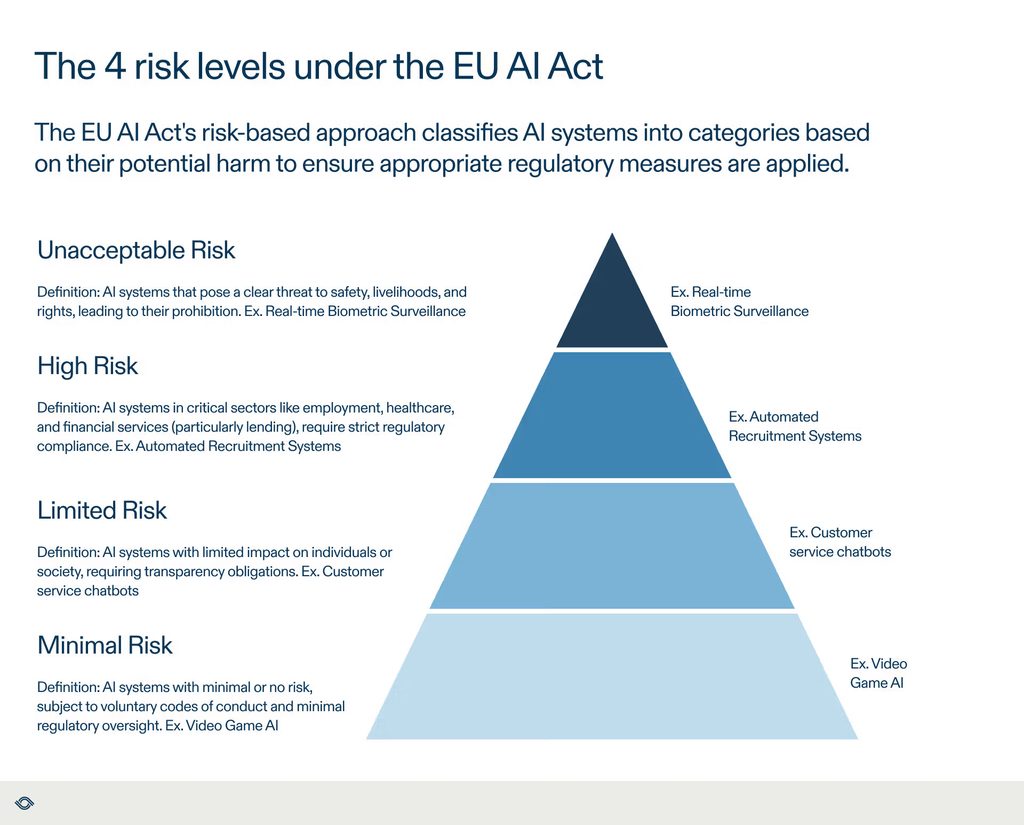
The EU AI Act makes this direction clear for high-risk AI systems. Article 12 requires high-risk AI systems to technically allow automatic recording of events, or logs, over the system’s lifetime. Article 26 also requires deployers of high-risk AI systems to keep automatically generated logs under their control for an appropriate period, at least six months, unless other law requires otherwise.
For enterprises, the message is practical: if evidence is not captured during operation, it may be difficult or impossible to reconstruct later.
AI Audit Trails Need to Be Built Into the Workflow
An AI audit trail should not be a scattered set of application logs that only technical teams can interpret. It should connect AI behavior to the business process it supported.
For example, if an AI agent helps handle a refund request, the audit trail should show more than the model output. It should show:
- Which customer case was involved.
- Which policy or data source was retrieved.
- Whether the customer met the conditions.
- Who reviewed the recommendation.
- Whether the action was approved or rejected.
- Whether the refund request was created, updated, or escalated.
This matters because compliance teams do not only need raw logs. They need a readable chain of evidence that links AI behavior to business accountability.
That is where system architecture becomes important. If AI operates through ERP, CRM, support tools, document systems, approval modules, or internal workflows, evidence needs to be captured across those systems.
This is also where Twendee’s role becomes practical. Twendee helps enterprises build traceable AI workflows where access records, approval histories, and action logs are captured as part of the system flow. Instead of preparing evidence manually after an audit request, the organization can retrieve evidence from the same systems where AI-supported work happened.
Human Oversight Must Leave Evidence
Many companies say they keep humans in the loop. For compliance, that statement has limited value unless the review leaves a record.
Human oversight should answer specific questions:
- Who reviewed the AI output?
- What did the AI recommend?
- Did the reviewer approve, reject, or edit it?
- Was the case escalated?
- Was the final action executed by a person or by the system?
- Was the decision linked to a policy or business rule?
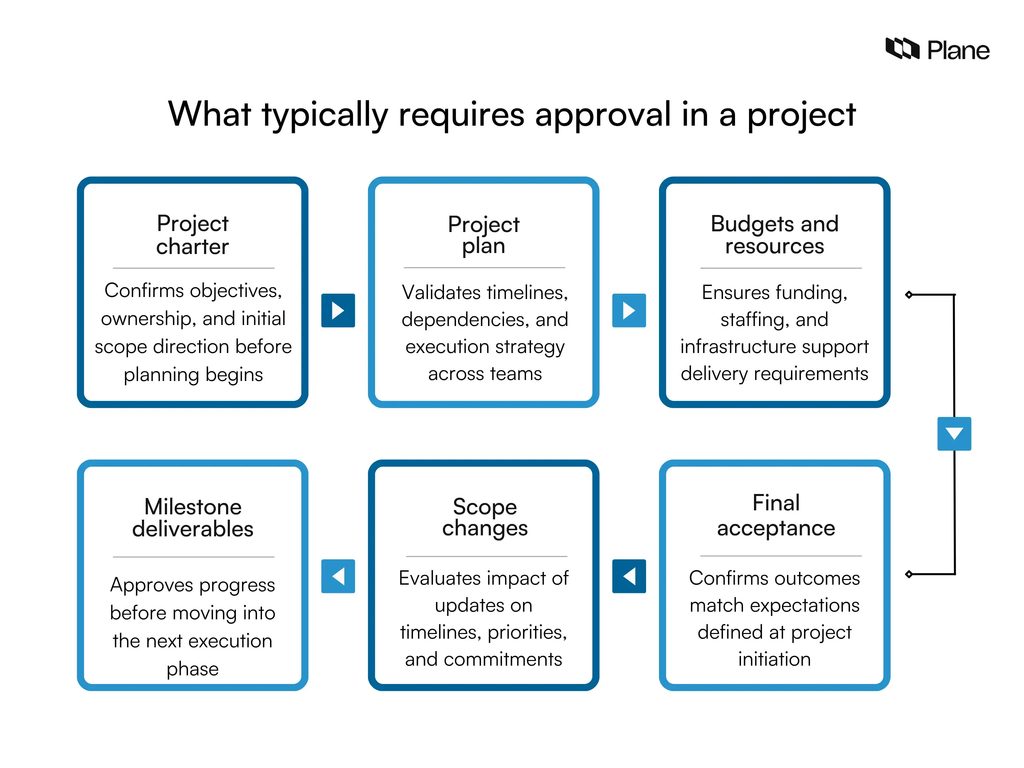
This is especially important for AI systems that support finance, HR, procurement, legal review, customer service, healthcare, credit, or other sensitive workflows. A manager may approve a recommendation in practice, but if that approval sits only in a chat message or informal email, it is weak compliance evidence.
A stronger approach is to place review and approval inside the workflow itself.
For example, an AI system may draft a vendor risk summary, but the procurement owner approves the vendor status. An AI agent may prepare a refund recommendation, but a service manager approves the final action. An AI assistant may summarize employee records, but HR reviews the output before any decision is made.
The review step should be logged with the user, timestamp, decision, and final action.
That is how human oversight becomes evidence, not just a governance promise.
Compliance Documentation Should Stay Connected to Systems
AI compliance documentation is still necessary. Enterprises need policies, risk assessments, model information, testing records, data governance descriptions, and technical documentation.
The problem is that documentation can become outdated quickly when it is disconnected from system operations.
The EU AI Act requires technical documentation for high-risk AI systems to be drawn up before the system is placed on the market or put into service, and to be kept up to date. That requirement reflects a broader reality: AI documentation needs to follow the system over time, not only describe it at launch.
This becomes harder when AI systems change frequently. Models are updated. Prompts are revised. Data sources are added. Approval rules change. New agents are deployed. Business workflows evolve.
If documentation does not reflect those changes, it becomes less useful for audits and incident reviews.
A better model is to connect compliance documentation with operational records:
- Model inventory connects to model versions.
- Risk assessment connects to actual use cases.
- Data governance connects to access logs.
- Human oversight policy connects to approval history.
- Incident procedures connect to exception records.
- Regulatory reporting connects to dashboards and evidence exports.
This makes AI compliance documentation more credible because it stays linked to system behavior.
What Enterprises Should Build Before the Audit
AI evidence collection should be built before an audit, customer review, or incident occurs.
A practical evidence foundation should include:
- AI system inventory: which models, agents, assistants, and AI-enabled workflows are in use.
- Model and version tracking: which model version supported each output or action.
- Data access logs: which data sources were retrieved and under whose permission.
- Role and permission mapping: who or what system had authority to access, approve, or trigger actions.
- Approval workflow records: who reviewed AI outputs and what decision was made.
- Decision and action logs: what recommendation was generated and what happened next.
- Exception records: where the AI system lacked context, detected conflict, or required escalation.
- Evidence dashboard: a way for compliance, security, and operations teams to retrieve records across systems.
This is where Twendee connects compliance requirements with technical controls inside enterprise systems. For companies deploying AI agents or AI-enabled workflows, Twendee can help design access records, approval histories, action logs, and reporting views across ERP, CRM, internal applications, model services, and business workflows.
The goal is simple: when someone asks what an AI system did, the company should not have to guess, search through messages, or rebuild the timeline manually.
It should be able to show evidence.
Conclusion
AI compliance will depend on operational evidence. Written policies still matter, but they become credible only when supported by records that show how AI systems behave in production.
As AI moves deeper into business workflows, enterprises need evidence covering model versions, data access, user permissions, decisions, approvals, actions, and exceptions. This evidence cannot be added at the last minute. It has to be built into the architecture of AI systems and the workflows they support.
For enterprises building AI agents and AI-enabled operations, Twendee helps create traceable workflows that connect compliance requirements with technical controls. That gives teams a clearer way to retrieve evidence across models, agents, systems, and business applications.
Book a call: Calendly
Read latest blog: Why Enterprise Integration Has Become a Strategic Investment