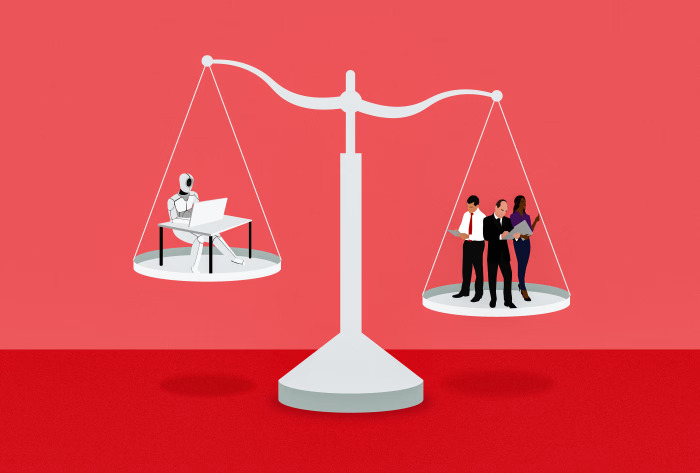

Procurement was once judged mainly by how efficiently it converted demand into approved purchases. That definition is no longer enough. In a volatile operating environment, each buying decision can affect cost, supplier exposure, working capital, compliance, inventory availability, and production continuity. This is why AI procurement is moving rapidly onto the enterprise agenda: not as another automation project, but as a new decision layer for one of the business’s most consequential functions.
Procurement Has Become a Strategic Decision Function
The modern procurement function sits much closer to enterprise strategy than its traditional “buying” label suggests. A supplier selected today can influence margin, service levels, regulatory exposure, cash flow, and the organization’s ability to keep operating months from now. Procurement decisions increasingly shape business resilience rather than administrative efficiency.
That shift is visible in investment priorities. Deloitte’s 2025 Global Chief Procurement Officer Survey, based on more than 250 CPOs across 40 countries, found that leading “Digital Masters” allocated up to 24% of procurement budgets to technology—nearly twice the relative level reported in 2023. Deloitte also found that top procurement organizations generated about three times the return on GenAI investments achieved by peers.
Procurement has become a strategic control point for cost, risk, and performance. The lowest price is rarely the full answer: a cheaper supplier may introduce longer lead times, weaker quality, adverse payment terms, or greater regulatory exposure. A higher-cost supplier may protect production continuity or reduce downstream failures.
The next procurement advantage will therefore come from improving how these trade-offs are understood. That makes procurement a natural battleground for AI: high decision frequency, fragmented context, measurable financial impact, and significant consequences when judgment is poor.
Traditional Procurement Systems Cannot Keep Pace With Supply Complexity
Most procurement systems were built to record and route transactions. They create requisitions, move approvals, issue purchase orders, and store supplier records. They were not built to continuously assemble the operational context behind a purchasing decision.
That context is now spread across too many places. Quotations arrive through email. Supplier comparisons live in spreadsheets. Purchase history sits in ERP. Contracts may be stored elsewhere. Finance controls budget data, while inventory and production systems hold the information that determines urgency. Yet the decision is still reconstructed manually.
The scale of the gap is becoming visible. The Hackett Group’s 2025 Key Issues Study projected procurement workloads to rise by 10% while budgets increased by only 1%, creating a 9% efficiency gap. It also found that 49% of teams had piloted GenAI use cases, but only 4% had reached large-scale deployment. Data quality, privacy, regulation, supplier volatility, and technology complexity were among the leading barriers.
This is not primarily a problem of slow decision-makers. Procurement professionals spend too much time searching for the evidence required to make a defensible decision. Faster approval routing may move an incomplete decision through the organization more quickly, but it does not improve the decision itself.
Traditional procurement automation digitized the path of the transaction. It did not fully digitize the context surrounding it.
AI Is Shifting Procurement From Workflow Automation to Decision Intelligence
The strongest case for AI in procurement is not autonomous purchasing. It is decision augmentation: giving teams a more complete view of the situation, identifying relevant trade-offs, and explaining why one action may be preferable to another.
In supplier evaluation, AI can summarize delivery history, compare quotations, detect unusual price changes, surface quality incidents, analyze contract terms, estimate purchasing risk, and recommend vendors against defined business criteria. The important capability is not generating a supplier score. It is showing the evidence behind the score and making the recommendation understandable to the person who remains accountable.
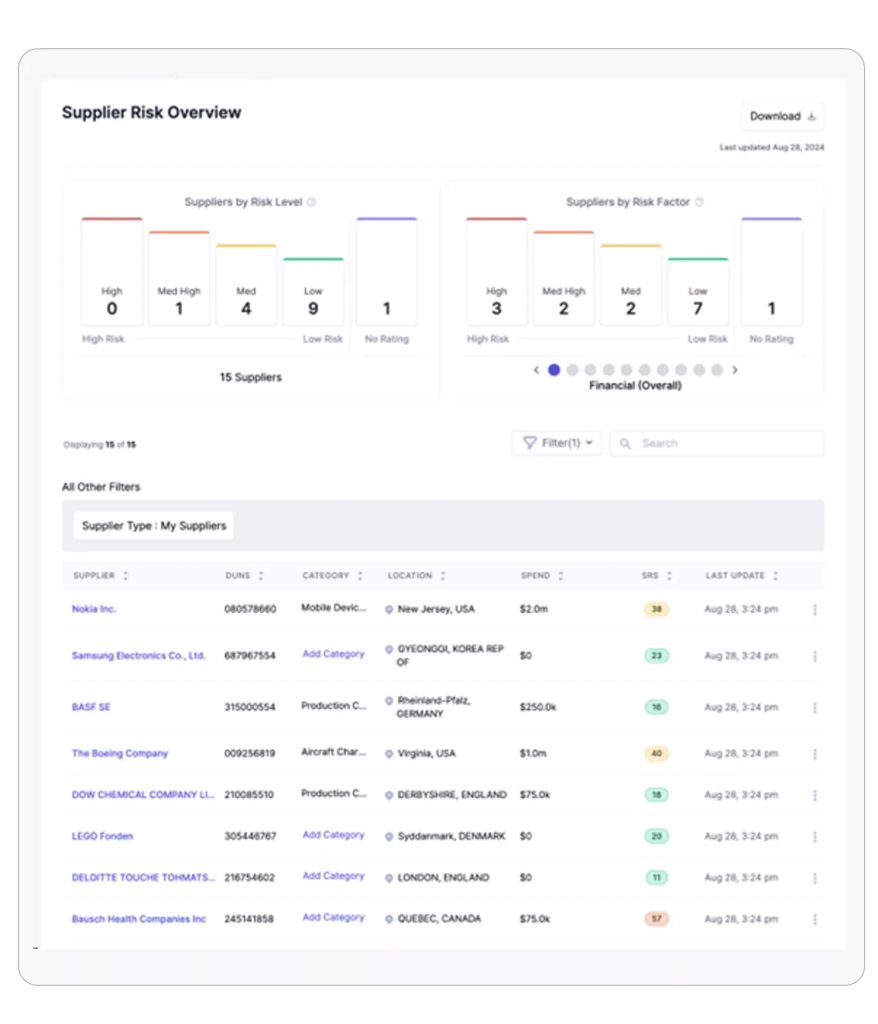
Imagine a buyer comparing three suppliers. One offers the lowest unit price, another has the strongest delivery record, and the third provides better payment terms. A useful AI system should not flatten those differences into one opaque ranking. It should explain how each option affects total cost, inventory risk, working capital, and production timing, then allow the buyer to apply judgment.
The Walmart supplier-negotiation case shows the value of applying AI to a clearly bounded procurement decision. According to the Harvard Business Review case study, Walmart used an AI negotiation system for tail-end suppliers that were difficult to address economically through human negotiation alone. The pilot reached agreements with 64% of participating suppliers, against a 20% target, with an average turnaround of 11 days. Walmart reported 1.5% average savings on negotiated spend and payment terms extended to an average of 35 days.
AI creates value when the task has clear goals, constraints, escalation points, and measurable outcomes. The opportunity is not to remove people from procurement, but to remove the information bottlenecks that prevent good decisions at enterprise speed.
Better Procurement AI Depends on Connected Enterprise Data
Organizations often treat procurement AI as a model-selection problem. In practice, the quality of the model matters less than the quality and reach of the operational context available to it.
A recommendation to reorder material is unreliable if the system cannot see inventory, consumption rates, planned production, open purchase orders, budget, supplier lead times, and contract commitments. A vendor recommendation is incomplete if it only compares quotations while ignoring delivery performance, quality incidents, financial exposure, and compliance status.
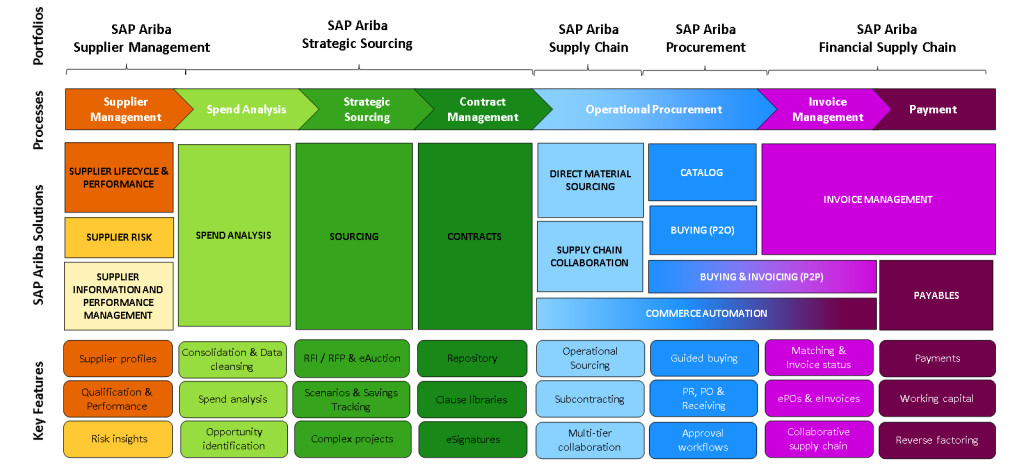
The OECD’s 2025 report on digital procurement transformation reaches the same architectural conclusion: procurement data is frequently fragmented across systems and unavailable in machine-readable formats, limiting interoperability. The report argues that high-quality, standardized, and timely data is central to meaningful AI-supported decision-making, while legacy infrastructure and weak data exchange remain major barriers.
Once AI enters procurement, the AI problem quickly becomes a data architecture problem.
This is why adding a chatbot to an existing purchasing interface rarely creates true decision intelligence. Without access to ERP, finance, inventory, contracts, supplier performance, and purchase history, an assistant can answer simple questions but cannot reason reliably about operational impact. Those connections must also use consistent definitions across suppliers, products, approvals, contracts, and delivery records.
At Twendee, this is the practical starting point for AI procurement: define the decision that needs to improve, then connect the systems and data that shape it. The model becomes one component of the procurement platform, not the center of the solution.
Procurement AI Will Scale Through Governed, Integrated Platforms
The closer AI moves to purchasing decisions, the more important governance becomes. Procurement involves company funds, contractual obligations, sensitive supplier information, and policies that vary by category, geography, value, and risk. A technically capable system is not enterprise-ready unless it operates within those boundaries.
Governance must be embedded in the workflow. The platform should know which data a user may access, which suppliers they may evaluate, what spending threshold requires escalation, and which actions demand human approval. Recommendations should be traceable to source data and policy, while material actions create an audit record.
The OECD’s work on AI in public procurement notes that AI’s impact is constrained when procurement data remains fragmented and systems lack unified standards. It also emphasizes that data management, skills, and coherent governance are fundamental to successful adoption of advanced procurement platforms.
This points to the next evolution of procurement technology. The winning platform will not be the one with the most impressive standalone model. It will be the one that connects procurement workflows with ERP, finance, inventory, contracts, and supplier management while preserving permissions, approval hierarchies, explainability, policy enforcement, and auditability.
That is also the direction Twendee takes when developing AI-enabled procurement platforms: creating an integrated decision environment where recommendations are grounded in enterprise data, routed through the correct approval structure, and converted into actions that remain visible and accountable.
Conclusion:
Procurement is becoming an AI battleground because it sits at the intersection of cost, risk, compliance, and operational continuity. The business case is no longer limited to processing transactions faster. It is about helping teams make better purchasing decisions with fuller context and stronger control.
Enterprises that lead will combine AI decision support with connected data, governed workflows, and integrated platforms. Twendee works with businesses to design and build that decision infrastructure—connecting procurement with the systems, policies, and operational data required to turn AI recommendations into reliable enterprise action. Visit the Twendee website, follow Twendee on LinkedIn, or book a conversation through Twendee’s Calendly.